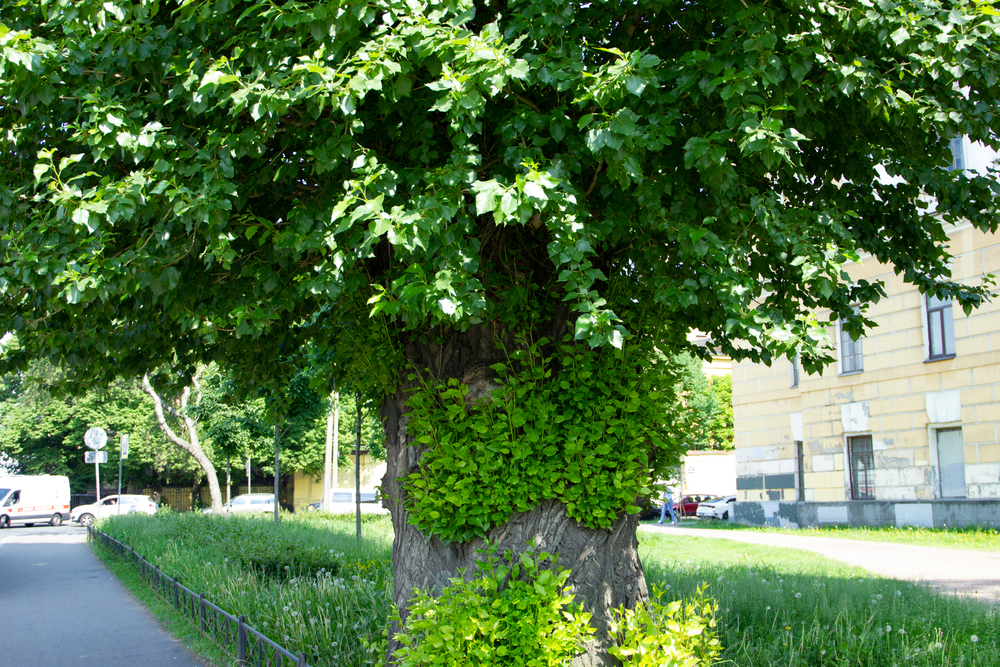
A $20 tree at the garden center might seem like one of the best landscaping bargains you’ll ever find. It’s small, healthy-looking, and promises years of shade, privacy, or beautiful seasonal color. But that inexpensive purchase could eventually lead to thousands of dollars in unexpected expenses if you plant the wrong tree in the wrong location.
The problem isn’t necessarily the tree itself.
It’s what happens when a young tree grows into a mature one, with roots, branches, and maintenance needs that weren’t obvious when you brought it home.
Tree planting mistakes can lead to damaged sidewalks, expensive pruning, plumbing problems, and even disputes with neighbors.
Before grabbing that discounted sapling, here are seven things worth checking to avoid turning a cheap landscaping purchase into an expensive headache.
The Tree Could Outgrow Its Location
One of the most common tree planting mistakes is choosing a location based on how a tree looks today rather than how large it will eventually become. A young tree standing just four feet tall might mature into a specimen reaching 40, 60, or even 80 feet, depending on the species. Planting it too close to your house, garage, or fence can eventually create problems with overhanging branches and limited growing space. Large trees may also require professional pruning when branches begin interfering with structures or creating safety concerns. Before purchasing any tree, check its expected mature height and canopy spread, then measure the available space rather than guessing.
Roots Can Create Expensive Sidewalk Problems
Tree roots naturally expand outward as a tree grows, often extending well beyond the visible canopy. When large roots develop beneath sidewalks, driveways, or patios, they can sometimes lift or crack pavement and create uneven walking surfaces. Repairing damaged concrete may require removing sections of pavement, addressing the root conflict, and replacing the affected material. Cutting major roots without professional guidance can weaken a tree’s stability or interfere with its ability to absorb water and nutrients. The International Society of Arboriculture provides homeowner guidance on tree selection and care, including the importance of choosing appropriate planting locations.
Planting Near Sewer Lines Can Become a Plumbing Nightmare
Another costly mistake involves planting trees too close to underground sewer or drainage infrastructure. Tree roots seek moisture and may enter existing cracks, loose joints, or other openings in buried pipes, potentially worsening an already vulnerable plumbing system. However, it’s important to understand that healthy, intact pipes aren’t automatically destroyed simply because tree roots grow nearby. Once roots enter a damaged sewer line, homeowners may face recurring blockages, professional cleaning expenses, or more extensive pipe repairs. Before planting, identify nearby utility lines and choose species with growth characteristics appropriate for the location.
Fast-Growing Trees Aren’t Always the Best Bargain
A fast-growing tree can seem especially appealing when you want shade or backyard privacy without waiting decades. Unfortunately, some fast-growing species have weak branch structures, aggressive spreading habits, or shorter useful lifespans that create additional maintenance concerns. Bradford pears, for example, became popular ornamental trees partly because of their attractive spring flowers, but their weak branch structure and invasive tendencies have made them problematic in many areas. The USDA Forest Service and state extension services provide information about selecting trees suited to local growing conditions and avoiding troublesome species. Spending a little more on an appropriate, structurally sound tree may ultimately cost less than repeatedly repairing damage caused by a poor selection.
That Bargain Tree Might Be Planted Too Deeply
Some of the most expensive tree planting mistakes happen before the first shovel of soil is even replaced. Planting a tree too deeply can bury its root flare, the area where the trunk widens and transitions into the major roots. Over time, improper planting depth can contribute to poor root development, declining health, and other problems that shorten the tree’s lifespan. When planting, locate the root flare and position the tree so it remains visible at or slightly above the surrounding soil surface, following species-appropriate guidance. Replacing a mature tree that declines years after installation can cost substantially more than the original purchase price.
You Could End Up Paying for Professional Tree Removal
A $20 tree doesn’t remain a $20 responsibility once it grows large enough to require specialized equipment for maintenance or removal. Trees that become diseased, structurally unstable, or dangerously positioned near buildings may eventually need professional attention. Removal expenses vary considerably depending on tree height, accessibility, condition, local labor rates, and whether nearby structures complicate the work. A hypothetical $2,000 removal bill is entirely plausible for some jobs, although smaller trees may cost much less and complex removals can cost considerably more. This is why avoiding preventable tree planting mistakes matters long before a tree becomes large enough to threaten your home or property.
Your HOA or Local Government Might Have Something to Say
Before planting a tree near a property line, sidewalk, or shared space, check whether local regulations or homeowners association rules apply. Some communities restrict certain tree species, regulate planting near public rights-of-way, or require approval for landscaping changes. Trees planted near boundaries can also create disagreements when branches extend over neighboring properties or roots interfere with nearby structures. State laws differ regarding tree ownership, trimming rights, and responsibility for damage, so assumptions about who pays can become expensive. Checking the rules before planting is far easier than dealing with a formal complaint, required removal, or property dispute years later.
The Cheapest Tree Isn’t Always the Best Deal
A discounted sapling can still be an excellent investment when it’s the right species for the right location. The key to avoiding tree planting mistakes is understanding the tree’s mature size, root behavior, maintenance needs, and local planting restrictions before bringing it home. Consider consulting your local cooperative extension office or a certified arborist if you’re uncertain about planting near structures or underground utilities. A little research now could help you avoid costly pruning, pavement repairs, or tree removal years down the road.
Have you ever planted a tree that became much bigger or more expensive to maintain than you expected, or have you inherited a landscaping problem from a previous homeowner? Share your experience in the comments.
What to Read Next
Your Neighbor’s Tree Is Destroying Your Yard — Who Actually Has to Pay?
The Best Tree Guards for Preventing Cold-Weather Bark Damage
That Free Firewood Could Bring a Tree-Killing Pest Into Your Yard
Leave a Reply